
Why isn’t water alone enough for proper hydration?
Water alone isn’t enough for hydration when you sweat because sweat removes electrolytes as well as fluid. Electrolytes — especially sodium, along with potassium, magnesium and calcium — allow water to be absorbed and retained at the cellular level. Without replacing these minerals, drinking more water can dilute electrolyte balance and fail to restore effective hydration.
TL;DR
-
Hydration isn’t just about drinking water — it’s about water reaching and staying in cells
-
Sweat removes electrolytes as well as fluid, with sodium lost in the greatest amount
-
Drinking water alone can dilute electrolyte balance after sweating
-
Electrolytes allow water to be absorbed, retained and used by muscles and nerves
-
Effective hydration after sweating requires replacing electrolytes, not just fluid

What Hydration Actually Means
Hydration refers to the delivery of water to cells for temperature regulation, nutrient transport and waste removal. At rest or with minimal sweat loss, plain water is usually sufficient.
However, electrolytes — sodium, potassium, magnesium and calcium — regulate how water moves across cell membranes by maintaining osmotic and electrical gradients. When these minerals are depleted, water is less effectively retained at the cellular level, even if total fluid intake is high.
What Happens When You Sweat
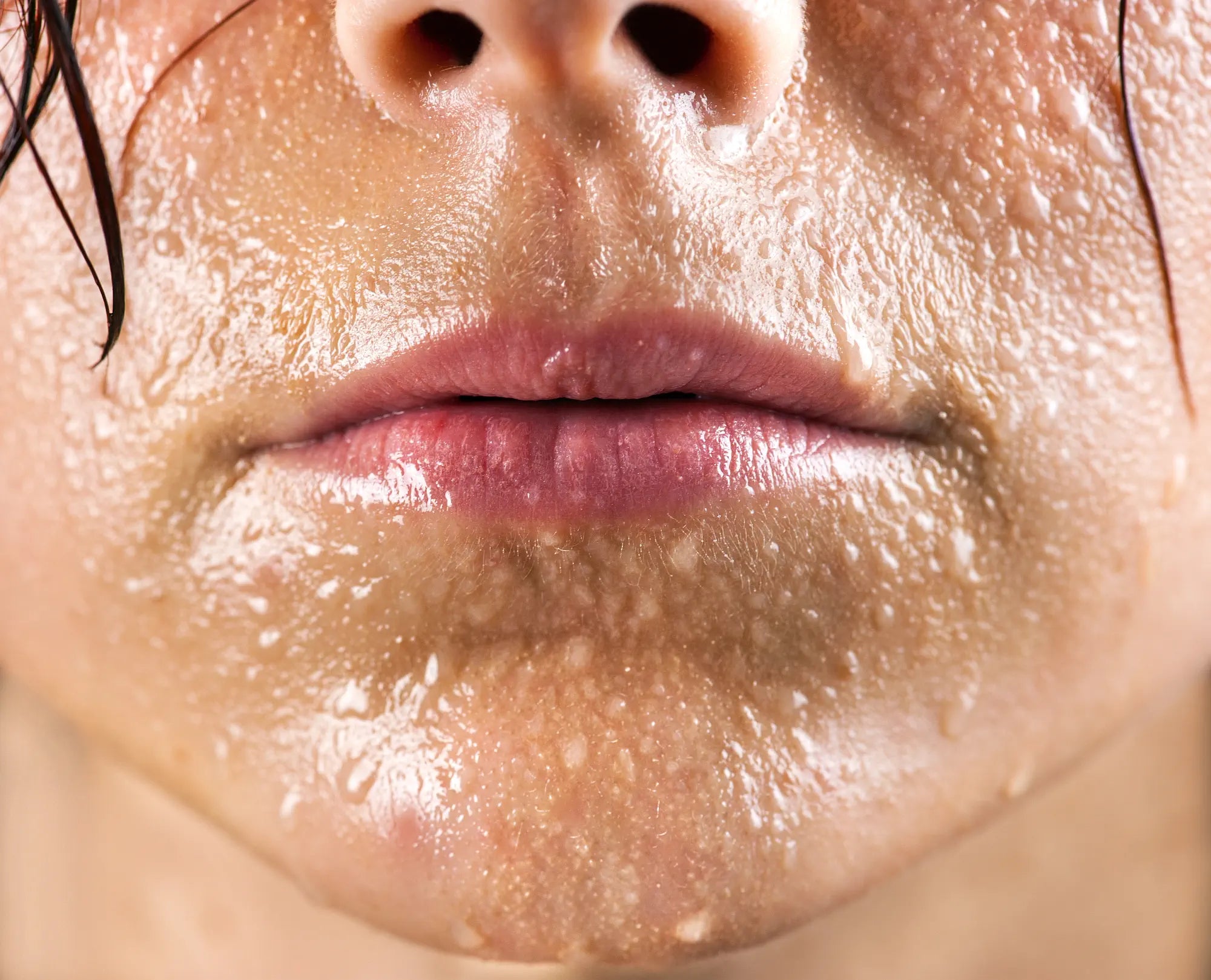
Sweat is not just water. It contains electrolytes, lost in predictable average amounts per litre of sweat (individual losses vary):
-
Sodium: ~800 mg
-
Potassium: ~250 mg
-
Magnesium: ~36 mg
-
Calcium: ~20 mg
Sodium is lost in the greatest quantity, but the accompanying losses of potassium, magnesium and calcium are physiologically meaningful. Replacing water without replacing electrolytes dilutes blood sodium concentration, which can impair nerve transmission and muscle contraction. This contributes to early fatigue, cramping and reduced cognitive clarity — often before thirst becomes noticeable.
Why Thirst and Urine Colour Aren’t Enough
Thirst and urine colour are often used as hydration checks, but both are blunt tools that fail to reflect electrolyte balance.
Thirst typically lags behind actual fluid and electrolyte losses by around 1–2% of body weight. By the time thirst is triggered, meaningful depletion has often already occurred.
Urine colour primarily reflects urine concentration, which is influenced by recent fluid intake and hormonal regulation of water excretion, rather than hydration effectiveness. It does not reliably indicate whether electrolyte balance or effective circulating blood volume has been restored after sweating.
In some cases, drinking large amounts of plain water dilutes blood sodium levels, suppressing water retention and producing very pale or clear urine — even while electrolyte imbalance persists. In other situations, competing signals related to blood volume and pressure can concentrate urine despite ongoing depletion.
As a result, it is possible to drink plenty of water, produce clear urine and still experience symptoms such as headaches, brain fog, fatigue or muscle cramping following prolonged or repeated sweating.
Hydration vs Electrolyte Replacement
Hydration refers to fluid volume. Electrolyte replacement refers to restoring the mineral balance that allows fluid to function.
Electrolytes enable water absorption and retention by maintaining osmotic gradients and cellular membrane potentials, particularly through sodium-driven mechanisms. Without adequate electrolyte replacement, increasing water intake alone does not resolve functional dehydration.
Common Misconceptions
-
“Electrolytes are only for athletes.”
Any situation involving meaningful sweat loss — including physical work, heat exposure or prolonged activity — leads to some degree of electrolyte depletion. -
“Salt is unhealthy.”
Dietary sodium excess is different from sodium replacement during sweat loss. Replacing sodium lost through sweat supports fluid balance rather than creating overload. -
“Sports drinks solve the problem.”
Many commercial drinks replace only a portion of sodium losses and rely on sugar for palatability rather than electrolyte adequacy. Sugar is not required for effective fluid absorption. -
“If I’m not thirsty, I’m fine.”
Electrolyte imbalance can develop silently during repeated or prolonged sweating before thirst is triggered.
When Water Alone May Be Enough
Water alone is generally sufficient when:
-
Sweat loss is minimal
-
Activity is light and short in duration
-
Environmental temperature is mild
However, water alone becomes insufficient during:
-
Prolonged exercise
-
Heat or humidity exposure
-
Physical labour
-
Fasting states that increase electrolyte loss
In these contexts, hydration effectiveness depends on replacing the average electrolyte losses that occur with sweat, in proportion to losses, not simply increasing fluid intake.
Practical Takeaway
Water is necessary for hydration, but electrolytes determine whether that water actually works. During sweating, effective hydration requires replacing the electrolytes lost alongside fluid — particularly sodium, with supporting roles from potassium, magnesium and calcium. Addressing both fluid and electrolyte balance is associated with clearer thinking, sustained performance and reduced cramping during heat, work and exercise.
References
Hew-Butler T, Rosner MH, Fowkes-Godek S, et al. Statement of the Third International Exercise-Associated Hyponatremia Consensus Development Conference, Carlsbad, California, 2015. Clinical Journal of Sport Medicine. 2015;25(4):303–320. https://doi.org/10.1097/JSM.0000000000000221
Almond CSD, Shin AY, Fortescue EB, et al. Hyponatremia among Runners in the Boston Marathon. New England Journal of Medicine. 2005;352:1550–1556. https://doi.org/10.1056/NEJMoa043901
Maughan RJ, Watson P, Cordery PA, et al. A randomized trial to assess the potential of different beverages to affect hydration status: development of a Beverage Hydration Index. American Journal of Clinical Nutrition. 2016;103(3):717–723. https://doi.org/10.3945/ajcn.115.114769
Maughan RJ, Leiper JB. Sodium intake and post-exercise rehydration in man. European Journal of Applied Physiology and Occupational Physiology. 1995;71:311–319. https://doi.org/10.1007/BF00240410
Shirreffs SM, Taylor AJ, Leiper JB, Maughan RJ. Post-exercise rehydration in man: effects of volume consumed and drink sodium content. Medicine & Science in Sports & Exercise. 1996;28(10):1260–1271. https://doi.org/10.1097/00005768-199610000-00009
Sawka MN, Burke LM, Eichner ER, Maughan RJ, Montain SJ, Stachenfeld NS. American College of Sports Medicine Position Stand: Exercise and Fluid Replacement. Medicine & Science in Sports & Exercise. 2007;39(2):377–390. https://doi.org/10.1249/mss.0b013e31802ca597
McDermott BP, Anderson SA, Armstrong LE, et al. National Athletic Trainers' Association Position Statement: Fluid Replacement for the Physically Active. Journal of Athletic Training. 2017;52(9):877–895. https://doi.org/10.4085/1062-6050-52.9.02
Baker LB. Sweating Rate and Sweat Sodium Concentration in Athletes: A Review of Methodology and Intra/Interindividual Variability. Sports Medicine. 2017;47(Suppl 1):111–128. https://doi.org/10.1007/s40279-017-0691-5
Armstrong LE. The Effect of Hydration on Urine Color Objectively Evaluated in CIE Lab Color Space.* Frontiers in Nutrition. 2020;7:576974. https://doi.org/10.3389/fnut.2020.576974
Webster CC, et al. Validation of Urine Colour Lab for Assessing Hydration Amongst Athletes.* Frontiers in Nutrition. 2022;9:997189. https://doi.org/10.3389/fnut.2022.997189
Perrier ET, et al. Relation between urinary hydration biomarkers and total fluid intake in healthy adults. European Journal of Clinical Nutrition. 2013;67:939–943. https://doi.org/10.1038/ejcn.2013.93
Share:
Electrolytes Lost in Sweat: What You Actually Lose When You Sweat